


News
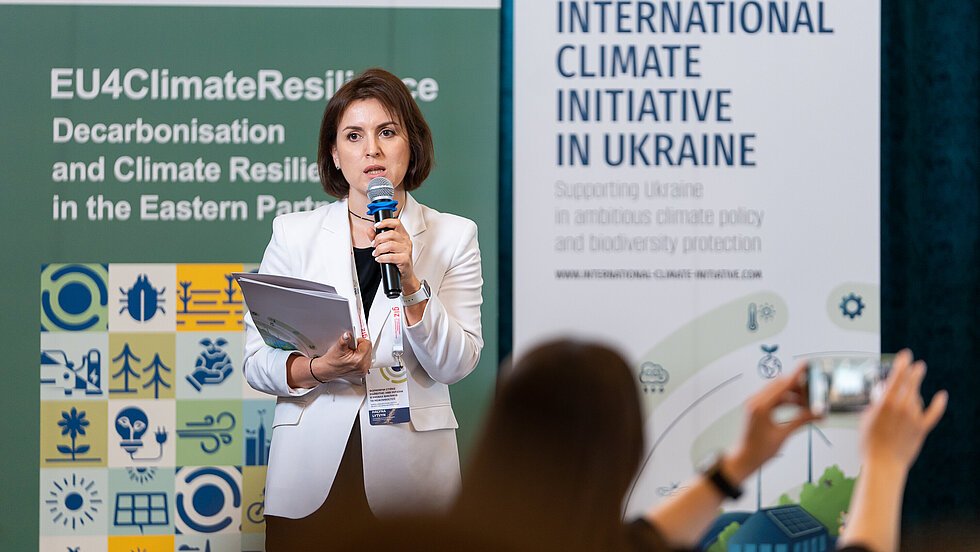
Strengthening Climate Action in the Eastern Partnership Countries
EU4ClimateResilience promotes stronger climate policies and institutions, powering the development of impactful NDCs.
Commissioned through the IKI-funded project PROGRESS, EU4ClimateResilience is working to strengthen the capacities of Eastern Partnership (EaP) countries – Armenia, Azerbaijan, Georgia, Moldova and Ukraine – to turn climate commitments into tangible actions. Co-financed by the European Union and the German Federal Ministry for the Environment, Climate Action, Nature Conservation and Nuclear Safety (BMUKN), the project supports partner countries, for example, in developing and updating their NDCs, conducting climate risk assessments, formulating sectoral policies and designing actionable adaptation roadmaps.
Through targeted technical assistance, policy advice, inclusive stakeholder engagement and analytical work, the project is helping partner countries to shape resilient, transparent and forward-looking climate policies by developing and operationalising NDCs. This integrated approach provides partner countries with the necessary tools, data and know-how to plan, finance and implement ambitious climate action across sectors, while strengthening adaptation and resilience efforts at regional, national and local levels.
First Year of Implementation
In its first implementation year, EU4ClimateResilience laid critical groundwork to advance NDC implementation, strengthen institutional frameworks and improve transparency across the EaP countries.
Armenia
While concrete activities are yet to be launched, the project aligns with Armenia’s 2021-2030 NDC goals, aiming to identify areas for technical assistance and capacity building to support climate policy implementation and institutional readiness.
Azerbaijan
The project supports the implementation of Azerbaijan’s NDCs by enhancing institutional and technical capacities through targeted analysis and knowledge exchange. Key activities include strengthening transparency and reporting systems, facilitating stakeholder dialogue and contributing to national climate planning processes.
Georgia
The project contributes to climate governance efforts, including technical assistance for the Climate Strategy and Action Plan and support for monitoring and reporting systems. A dedicated workshop promoted inter-agency coordination for monitoring and reporting under the NDC implementation, although related activities are currently on hold due to political developments.
Moldova
The project contributed to Moldova’s NDC stocktaking and roadmap development for 2035-NDC submitted in March 2025. The updated NDC commits to reducing GHG emissions by 71–73% up to 2030 and 75–78% up to 2035.
Ukraine
Recognising the challenges posed by war and climate change, the project provided analytical inputs on a just transition and adaptation for Ukraine’s second NDC. It co-organised “Ukraine’s Second NDC Amid Current Challenges” event to launch stakeholder dialogue and support transparent, inclusive target-setting.
These efforts are closely connected to the project's support for developing robust MRV systems and contribute to aligning national climate action with the EU acquis and bilateral climate agreements.
Next Steps in Project Implementation regarding NDCs
EU4ClimateResilience will continue to tailor its support to the evolving climate policy needs of partners. In Armenia, future support will align with the development of 2035-NDC, focusing on sustainable mobility, Agriculture, Forestry and Other Land Use (AFOLU)-related adaptation actions, wastewater treatment, wetlands restoration and environmental education.
In Azerbaijan, the project will develop tailored policy recommendations, including for a Climate Change Law/Code, and deliver capacity-building measures and technical support to institutions involved in adaptation planning.
Georgia is exploring collaboration with civil society and academic institutions to improve sectoral data collection and thematic databases, indirectly supporting the NDC implementation process. In Moldova, work will concentrate on developing an LT-LEDS and strengthening institutional capacities through targeted training sessions.
In Ukraine, while no further support is currently planned regarding NDC development and operationalisation, the project’s early analytical contributions and stakeholder engagement have laid the foundation for a more inclusive and resilient NDC process.
Despite solid progress in its first year, the project also faces several challenges, including complex policy environments, limited technical capacity, political uncertainty and insufficient institutional coordination. These factors slow the pace and limit the scope of climate action, making sustained planning and stakeholder engagement critical for progress. As the project advances, it will prioritise consolidating achievements, strengthening cross-sector and cross-border collaboration and supporting partner countries in turning climate ambition into concrete action.
Other news
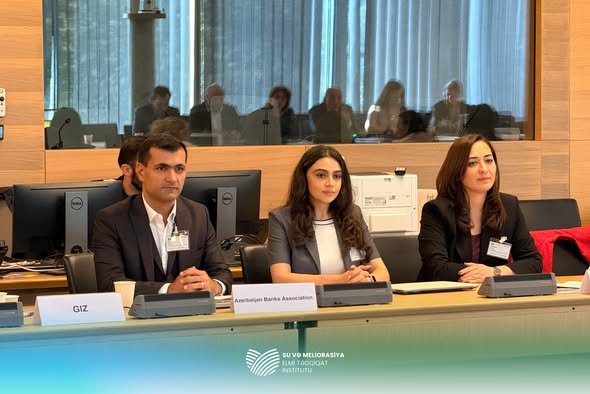
Azerbaijani Experts Join International Discussions on Agricultural Insurance and Climate Adaptation in Paris
On 5–6 October 2026, representatives of Azerbaijan’s Water and Melioration Scientific Research Institute, Gunay Abbasova and Narmin Seyidova, participated in an international event on “Agricultural Insurance and Climate Adaptation” held in Paris, France. Their participation took place within the framework of the EU4ClimateResilience. The event brought together discussions on Nationally Determin
EU4ClimateResilience Presented Assessment of Climate Change Impacts on Pasture-Based Livestock Farming in Ukraine
On 25 September, EU4ClimateResilience presented the results of its work on assessing climate risks and vulnerabilities in Ukraine’s agricultural sector, with a particular focus on the future impacts of climate change on pasture-based livestock farming. During the webinar, Liudmyla Palamarchuk, Senior Researcher at the Atmospheric Physics Department of the Ukrainian Hydrometeorological Institut
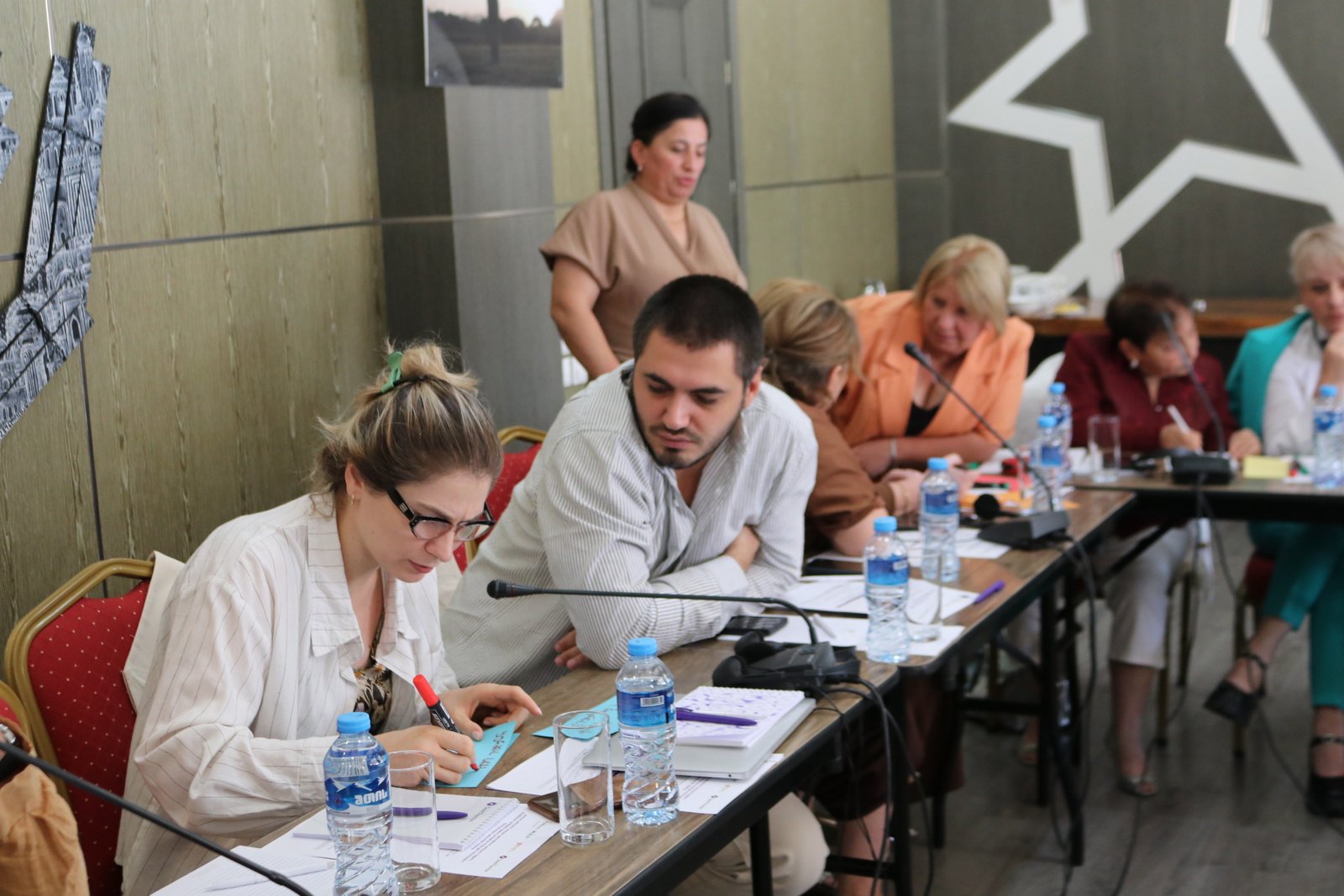
Empowering Local Actors to Advance Climate Resilience Across Georgia
Climate resilience starts locally with people who understand the challenges in their communities and have the knowledge and tools to turn those challenges into action. A two-day capacity-building workshop was recently held in Kachreti, Kakheti, under the EU4ClimateResilience project, bringing together representatives and local stakeholders from Tbilisi, Gori, Marneuli, Dedoplistskaro and Kvare
Strengthening Capacities for Climate-Resilient Water Resources Management in Azerbaijan
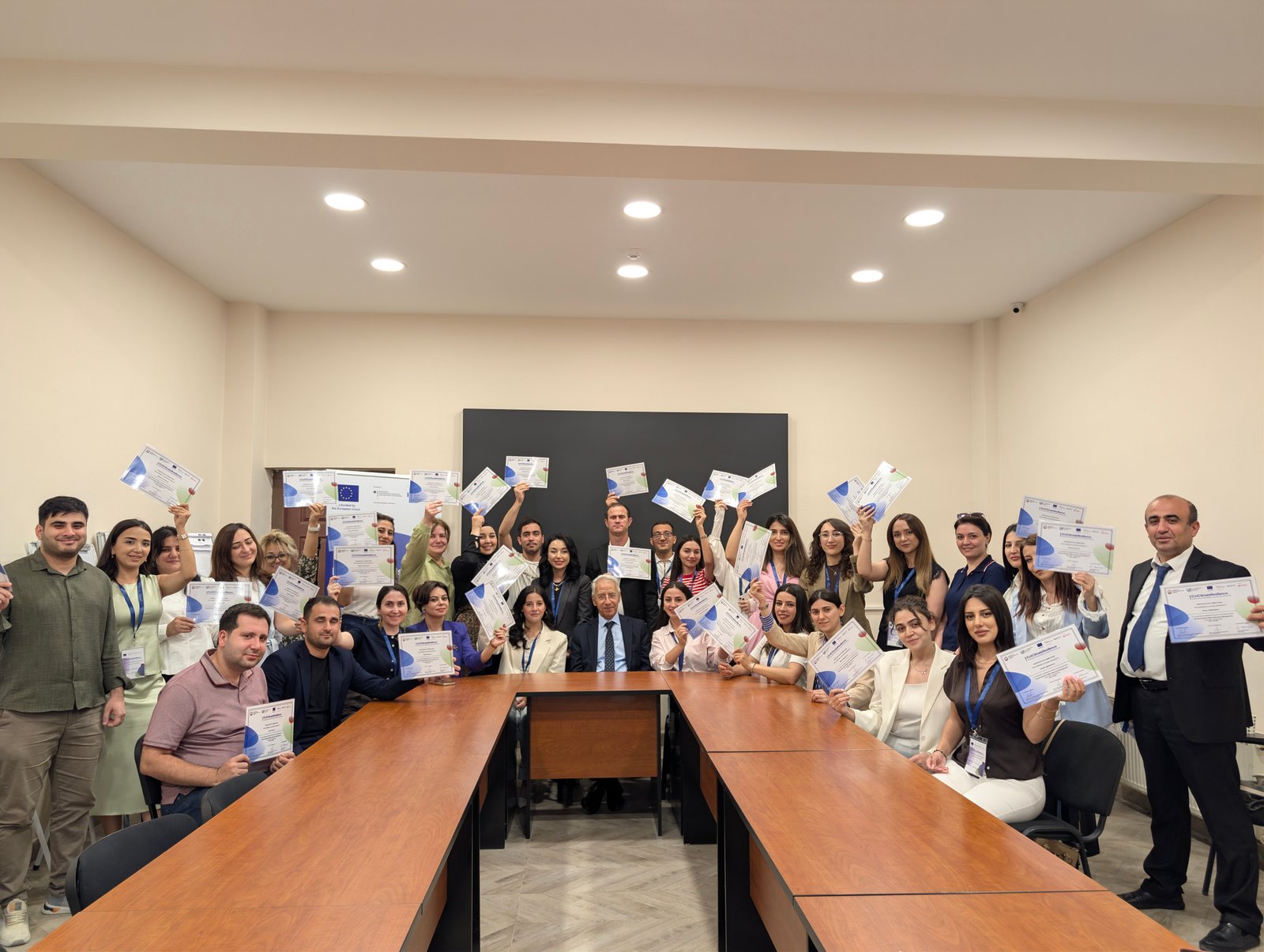
A four-day Capacity-Building Programme on Climate-Resilient Water Resources Management was held in Baku from 8 to 11 September 2026 under the EU4ClimateResilience project, in cooperation with the Water and Amelioration Scientific Research Institute (WASRI) under the Azerbaijan State Water Resources Agency (ASWRA). The programme brought together water sector professionals nominated by the Water
Strategic Dialogue on Strengthening the National MRVA System and Preparing the Republic of Moldova for Carbon Pricing Mechanisms in the Context of Alignment with the EU Acquis
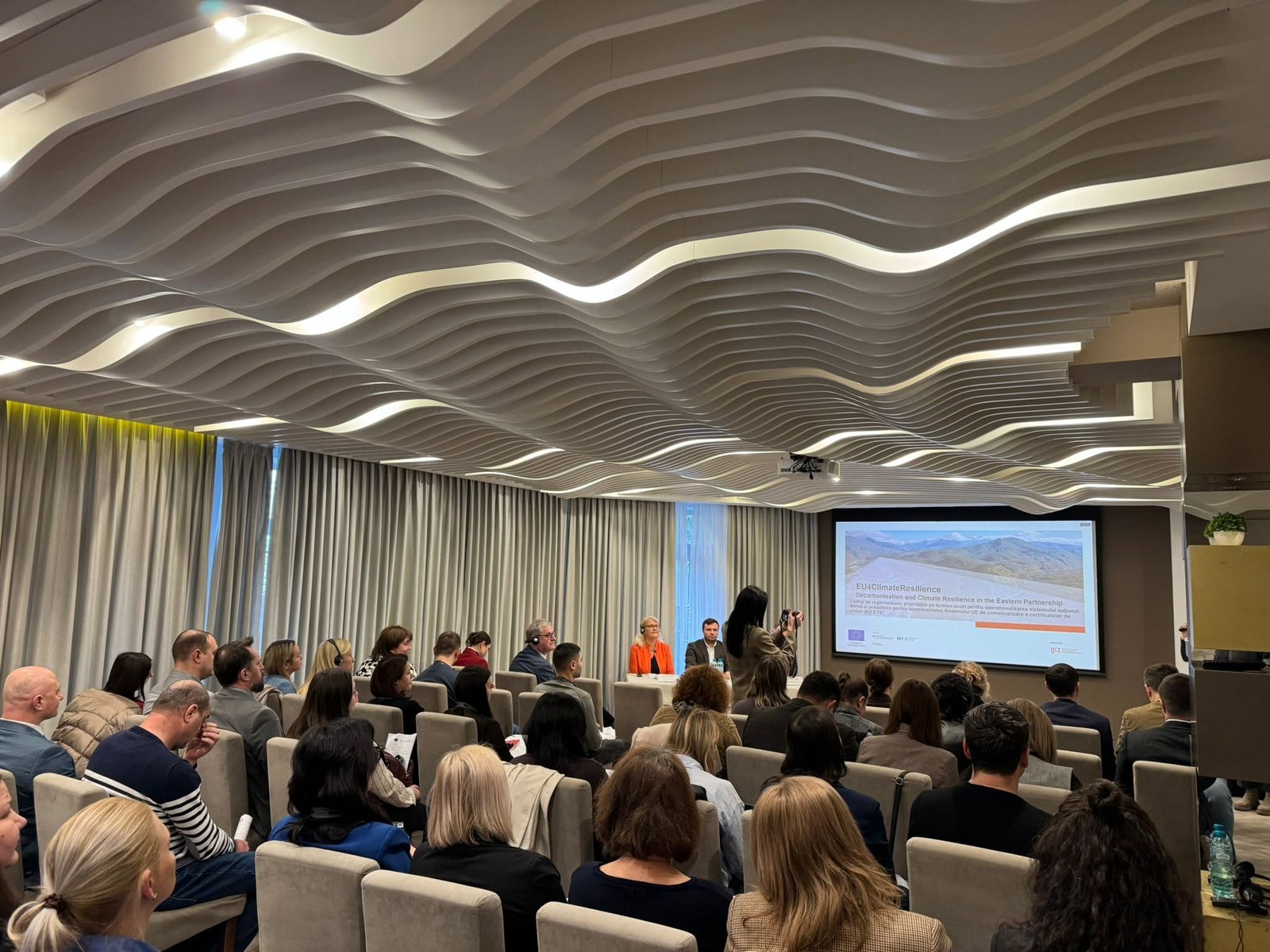
Representatives of public authorities, the business community, and development partners gathered today for a strategic dialogue dedicated to carbon pricing instruments and the consolidation of the national Measurement, Reporting, Verification and Accreditation (MRVA) system in the Republic of Moldova. The event took place in the context of the country’s alignment with the EU acquis in the field
Implementing Partners:
Deutsche Gesellschaft für Internationale Zusammenarbeit (GIZ) GmbH and the Organisation for Economic Cooperation and Development (OECD)