


News
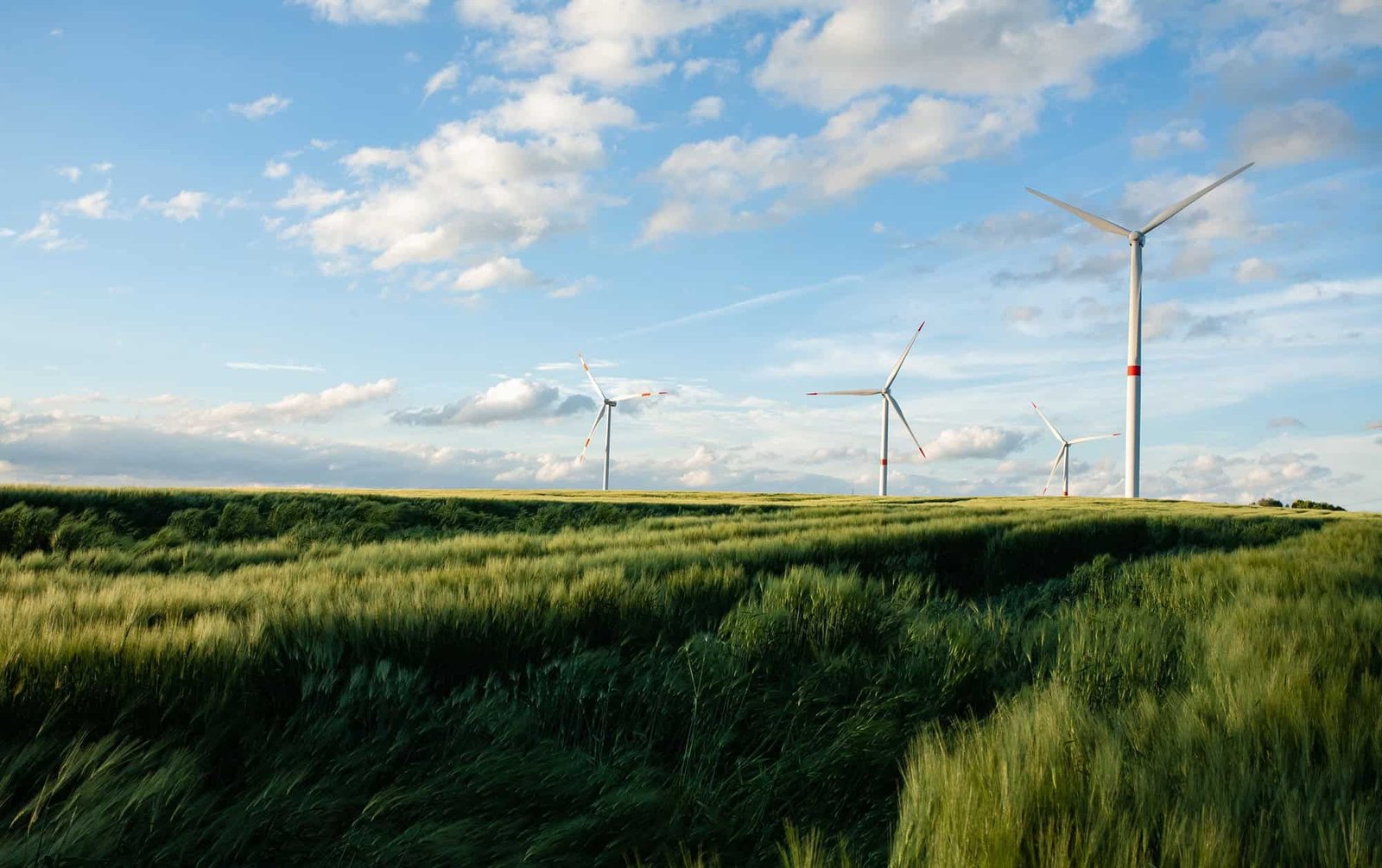
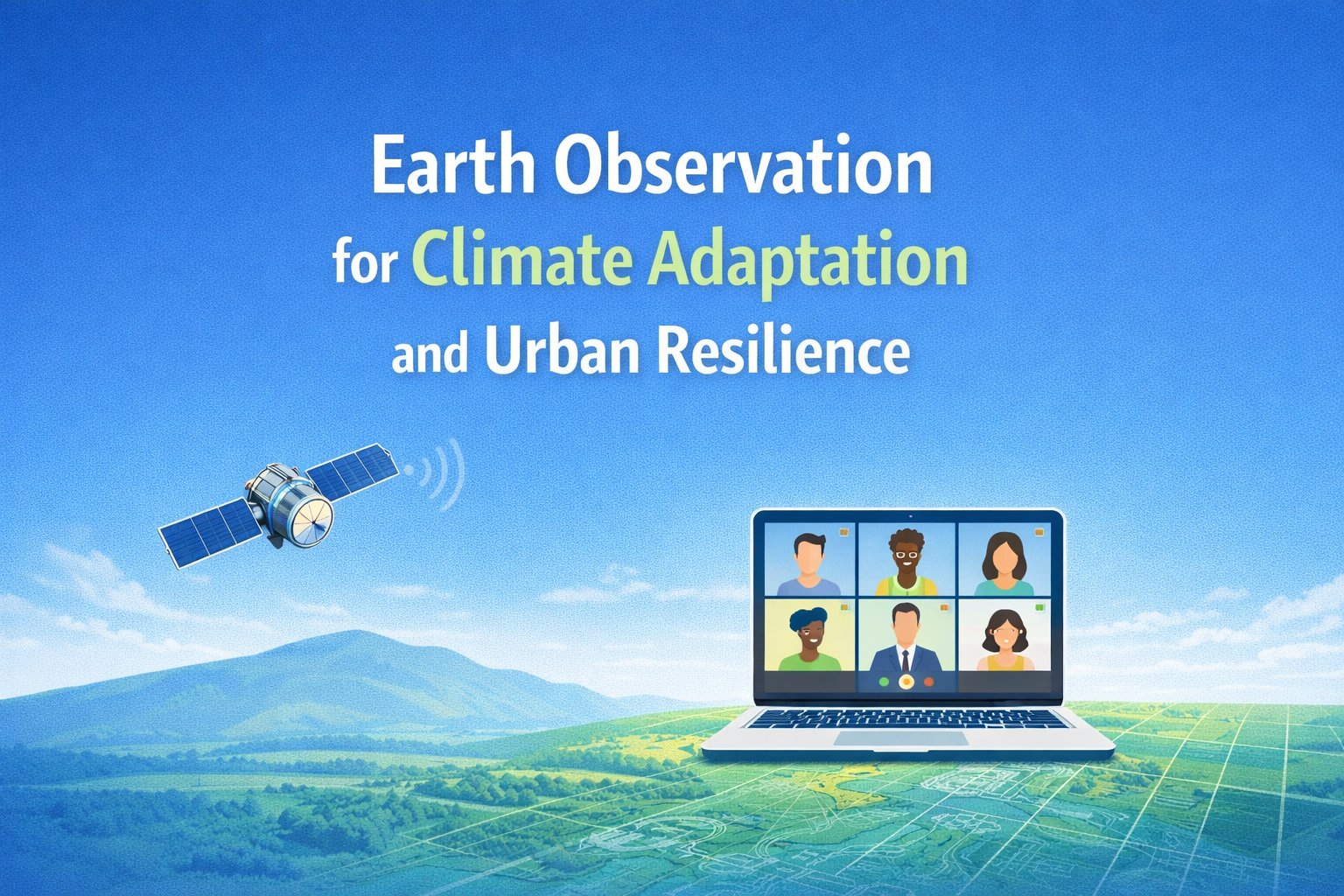
Strengthening Urban Resilience Across the Eastern Partnership Countries
EU4ClimateResilience organised a regional webinar titled “Earth Observation for Climate Adaptation and Urban Resilience”, bringing together around 60 participants from Armenia, Azerbaijan, Georgia, Moldova and Ukraine, including representatives from national authorities, academia, research institutions and international organisations.
The webinar explored how Earth Observation (EO), GIS and satellite-based monitoring can support climate adaptation and improve urban resilience. Experts shared regional experiences on analysing urban heat islands, land surface temperature and vegetation changes, as well as integrating nature-based solutions and climate risk assessments into spatial and urban planning.
Participants also highlighted the importance of combining scientific data with social and gender analysis to ensure inclusive climate adaptation measures. The event provided a platform for knowledge exchange and regional cooperation on innovative approaches to addressing climate challenges in cities across the Eastern Partnership region.
The webinar facilitated regional exchange and strengthened capacities on the application of Earth Observation technologies for climate adaptation and urban resilience across the Eastern Partnership region.
Other news
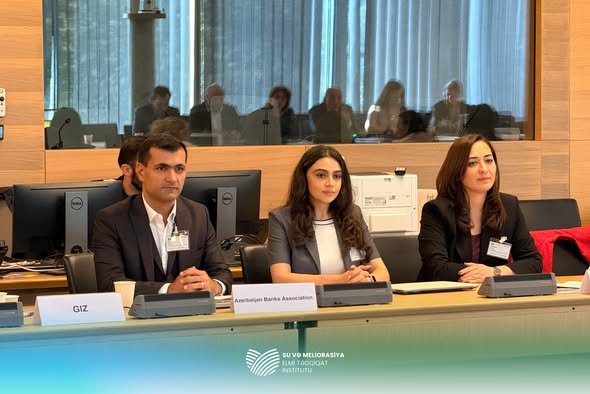
Azerbaijani Experts Join International Discussions on Agricultural Insurance and Climate Adaptation in Paris
On 5–6 October 2026, representatives of Azerbaijan’s Water and Melioration Scientific Research Institute, Gunay Abbasova and Narmin Seyidova, participated in an international event on “Agricultural Insurance and Climate Adaptation” held in Paris, France. Their participation took place within the framework of the EU4ClimateResilience. The event brought together discussions on Nationally Determin

EU4ClimateResilience Presented Assessment of Climate Change Impacts on Pasture-Based Livestock Farming in Ukraine
On 25 September, EU4ClimateResilience presented the results of its work on assessing climate risks and vulnerabilities in Ukraine’s agricultural sector, with a particular focus on the future impacts of climate change on pasture-based livestock farming. During the webinar, Liudmyla Palamarchuk, Senior Researcher at the Atmospheric Physics Department of the Ukrainian Hydrometeorological Institut
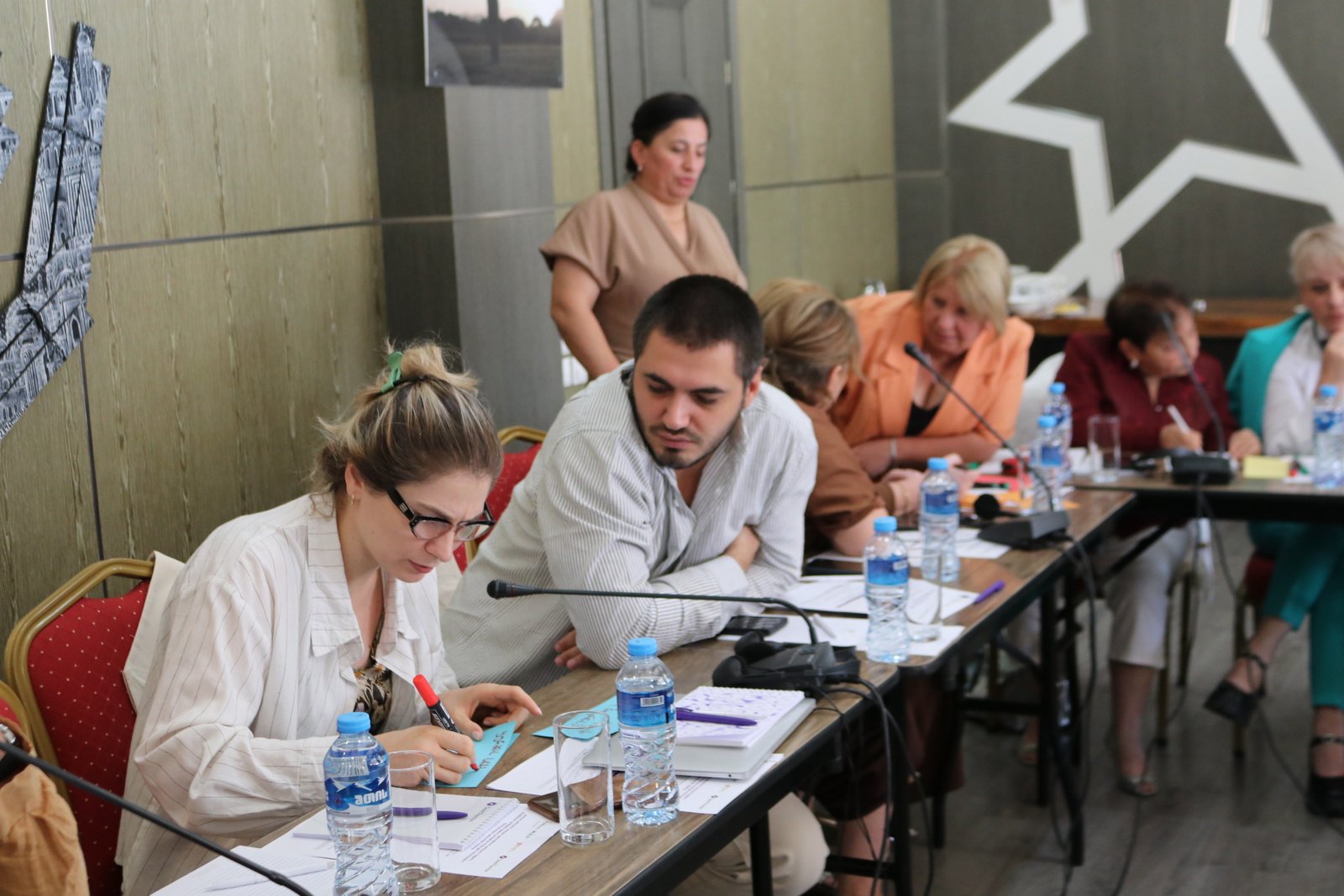
Empowering Local Actors to Advance Climate Resilience Across Georgia
Climate resilience starts locally with people who understand the challenges in their communities and have the knowledge and tools to turn those challenges into action. A two-day capacity-building workshop was recently held in Kachreti, Kakheti, under the EU4ClimateResilience project, bringing together representatives and local stakeholders from Tbilisi, Gori, Marneuli, Dedoplistskaro and Kvare
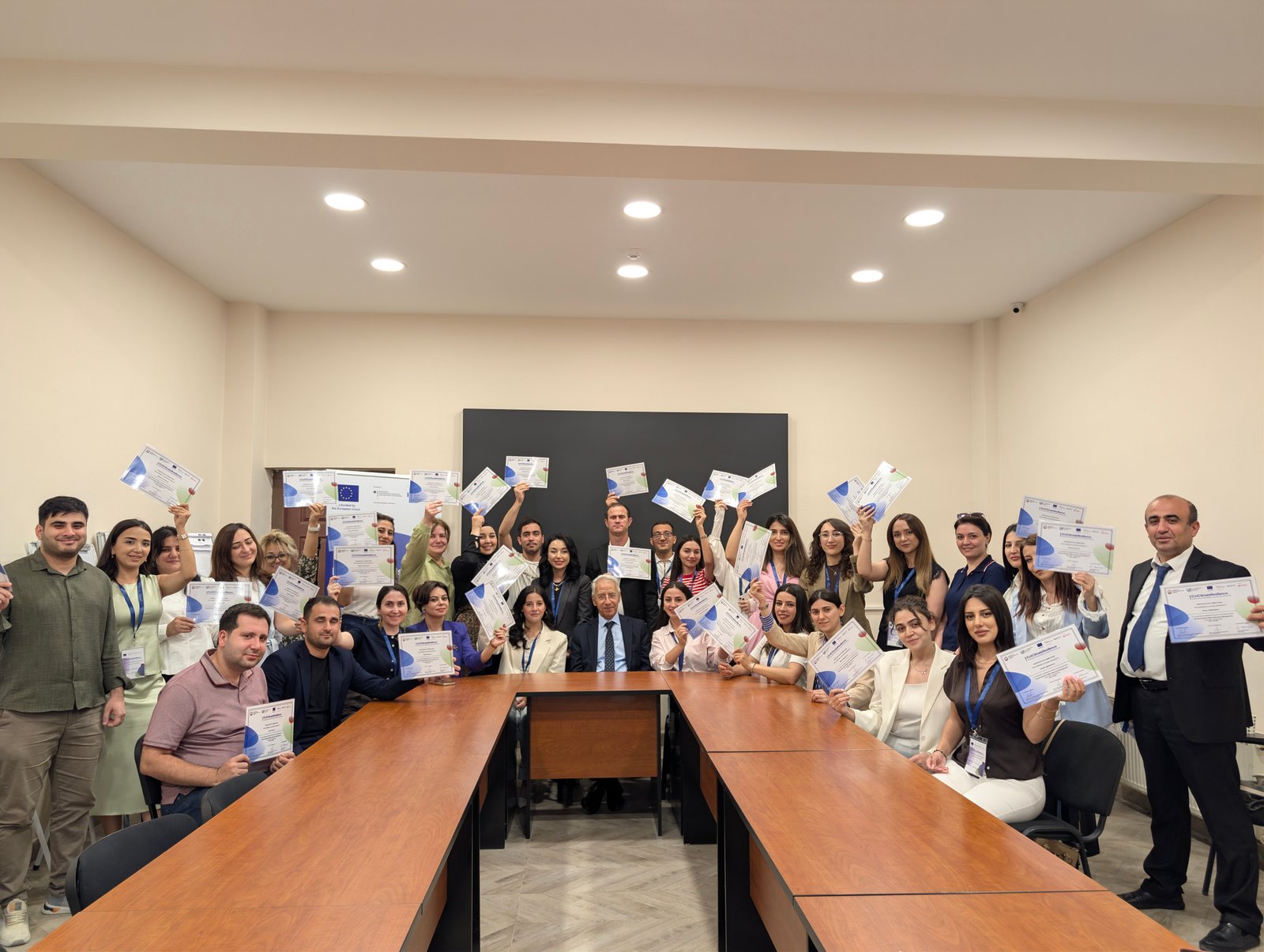
Strengthening Capacities for Climate-Resilient Water Resources Management in Azerbaijan
A four-day Capacity-Building Programme on Climate-Resilient Water Resources Management was held in Baku from 8 to 11 September 2026 under the EU4ClimateResilience project, in cooperation with the Water and Amelioration Scientific Research Institute (WASRI) under the Azerbaijan State Water Resources Agency (ASWRA). The programme brought together water sector professionals nominated by the Water

Strategic Dialogue on Strengthening the National MRVA System and Preparing the Republic of Moldova for Carbon Pricing Mechanisms in the Context of Alignment with the EU Acquis
Representatives of public authorities, the business community, and development partners gathered today for a strategic dialogue dedicated to carbon pricing instruments and the consolidation of the national Measurement, Reporting, Verification and Accreditation (MRVA) system in the Republic of Moldova. The event took place in the context of the country’s alignment with the EU acquis in the field
Implementing Partners:
Deutsche Gesellschaft für Internationale Zusammenarbeit (GIZ) GmbH and the Organisation for Economic Cooperation and Development (OECD)